Dancewear is one of the few wardrobe categories where aesthetics and engineering have to coexist. A garment that looks polished on stage but restricts a développé, rides up during a turn, or traps heat through a two-hour rehearsal does not meet the standard of functional dancewear. For dancers, parents shopping for studio-bound teens, coaches outfitting teams, and fitness enthusiasts who train in dance-derived disciplines, choosing the right dance crop tops means understanding how cut, fabric, construction, and intended use intersect with the demands of actual movement.
Why Crop Tops Have Become a Studio Standard
The crop silhouette is now common across ballet, contemporary, jazz, hip-hop, lyrical, and competitive dance training. The reasons are practical as much as stylistic. A cropped hem allows instructors to see core engagement, hip placement, and rib alignment without the visual interference of a longer top. Dancers themselves benefit from improved temperature regulation during high-intensity sequences and from greater freedom of movement at the waist during contractions, side bends, and floorwork. The style also pairs cleanly with high-waisted leggings, shorts, or skirts, which simplifies wardrobe building for studios that maintain a consistent aesthetic.
Fit Considerations
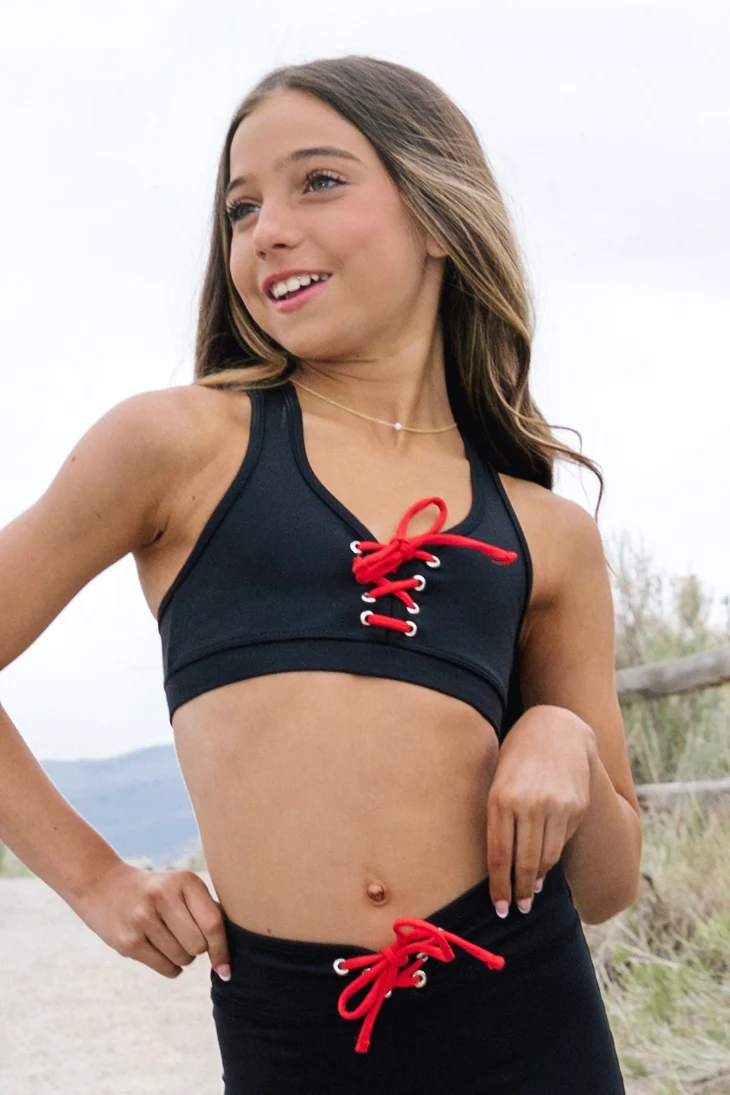
Fit is the first criterion that separates a functional dance crop top from a casual one. The garment should sit close enough to the body to stay in place during inversions, leaps, and partner work, but not so tight that it restricts breathing or shoulder mobility. Key checkpoints include the underbust band, which should hold position during overhead arm movements without rolling up; the neckline, which should accommodate the chosen genre (a higher neckline for ballet and lyrical, a wider scoop or racerback for jazz and contemporary); and the armhole, which should allow full range of motion without gaping at the side.
For younger dancers still growing, sizing should account for both current fit and reasonable wear life. Brands that publish detailed size charts with chest, underbust, and torso length measurements offer meaningfully better outcomes than those relying on generic small-medium-large designations.
Fabric and Performance
The fabric blend determines how a top performs through extended training. Most quality dancewear uses a combination of nylon or polyester with spandex or elastane, typically in ratios that deliver four-way stretch, recovery, and moisture management. Cotton-heavy blends absorb sweat but lose shape and stretch quickly, making them better suited to warm-up wear than active rehearsal. Performance synthetics maintain compression and recovery through repeated washing, dry faster between classes, and resist the pilling and stretching that occurs when garments are subjected to floor contact, costume changes, and frequent laundering.
For studios in warmer climates or for dancers training multiple genres back-to-back, breathability and wicking matter as much as stretch. Mesh panels, perforated detailing, or lightweight performance knits can make a meaningful difference during intensive rehearsal blocks.
Construction and Durability
Beyond fabric, construction details determine how long a top lasts in genuine use. Flatlock seams reduce friction and prevent chafing during repetitive movement. Reinforced stitching at stress points, particularly underarm seams and bust seams, extends garment life. Bonded or covered elastic at the hem and neckline prevents the curling and rolling that affects lower-quality crop tops after a few wash cycles. For tops with built-in support, the internal shelf bra or band should be sewn in cleanly, with no exposed elastic that can dig in during extended wear.
Matching the Top to the Genre
Different dance styles place different demands on the garment. Ballet and lyrical training often calls for cleaner lines, modest necklines, and minimal hardware that could catch on partner work or costuming. Jazz, contemporary, and commercial styles allow for more variety in cut, including off-the-shoulder constructions, asymmetric hems, and open-back designs. Hip-hop and street styles tend toward looser fits, dropped shoulders, and graphic detailing. Competitive dancers may need multiple options across these categories within a single training week.
Building a Functional Rotation
Most committed dancers benefit from owning three to five high-quality crop tops in rotation rather than a larger number of lower-quality pieces. A rotation allows proper laundering and recovery between wears, extends the life of each garment, and ensures clean options through a busy schedule. Coordinating across a small palette also simplifies studio dress codes and competition prep.
The best dance apparel disappears during class. It moves with the dancer, stays where it should, holds up through demanding schedules, and looks intentional rather than incidental. For dancers, parents, coaches, and fitness enthusiasts who expect their training wardrobe to meet the same standard as their training itself, Tiger Friday designs crop tops and dancewear engineered around the realities of how dancers actually move, train, and perform.