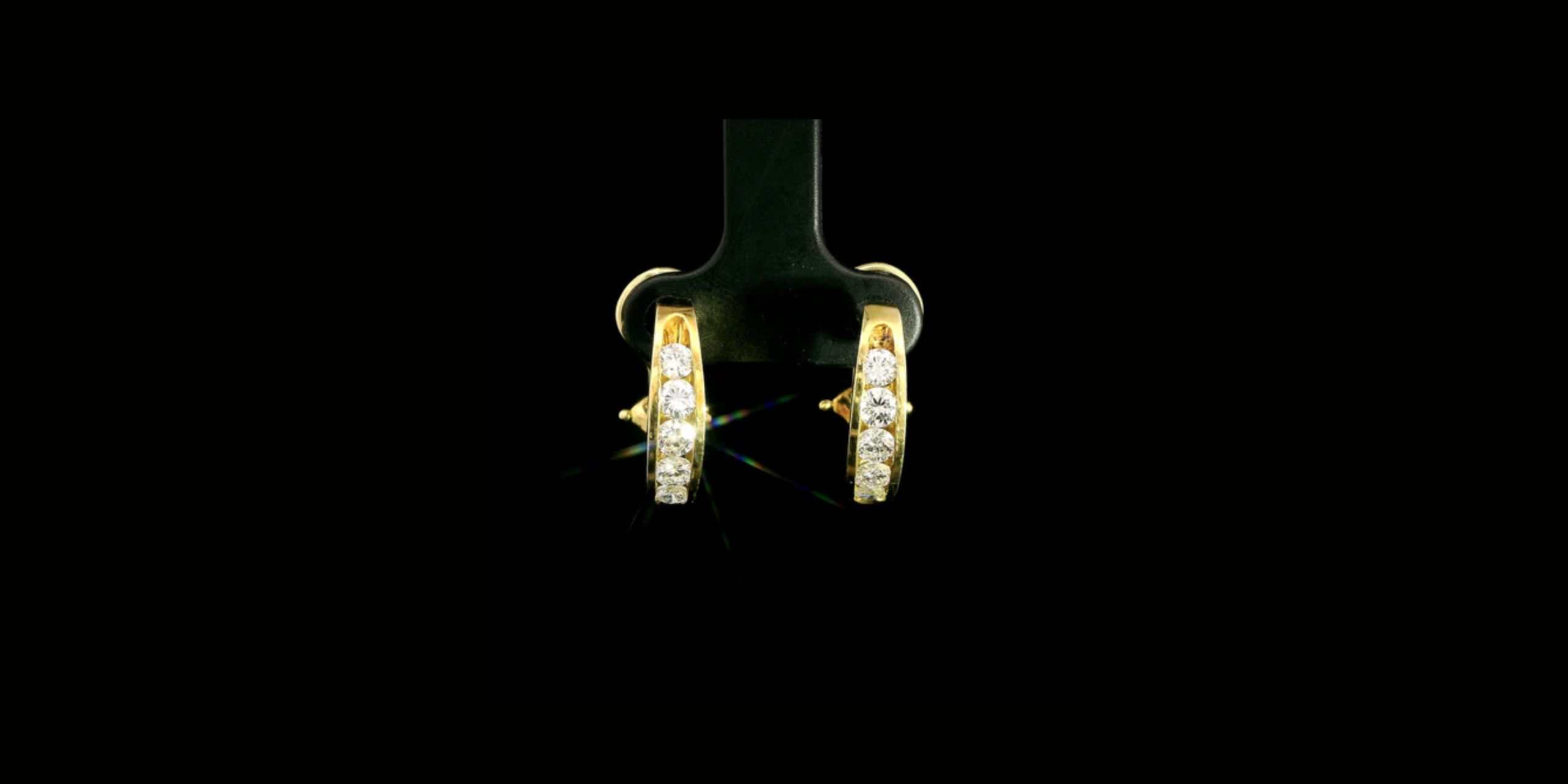
Few accessories carry the quiet power of a well-chosen pair of antique wedding earrings. On a day already weighted with meaning, jewelry passed down through decades, or selected from a particular era, adds another layer of story. Modern brides increasingly look beyond the polished sameness of mass-produced bridal pieces, drawn instead to the patina, individuality, and craftsmanship of earlier work. For collectors and gift buyers alike, understanding what separates a genuine period piece from a reproduction, and how to choose earrings that suit both the wearer and the occasion, is essential.
Understanding the Major Eras
Antique and vintage earrings span roughly two centuries of design, and each era carries a distinct visual signature. Victorian pieces (1837 to 1901) often feature hand-engraved gold, seed pearls, and sentimental motifs such as flowers, hearts, and stars. Edwardian jewelry (1901 to 1915) is recognized for delicate platinum filigree, milgrain detailing, and an almost lace-like openness that suits a soft, romantic aesthetic. The Art Deco period (1920s to 1930s) introduced bold geometry, color contrasts, and architectural symmetry, while Retro pieces from the 1940s tend toward larger silhouettes, rose gold, and sculptural flourishes. Identifying the era you respond to is the first step in narrowing a search.
Materials and Craftsmanship
Quality in older jewelry is rarely a question of size. It is a question of how the piece was made. Look closely at the metalwork: hand-fabricated settings, evenly executed milgrain, and crisp engraving all signal a skilled bench jeweler. Old mine, old European, and rose-cut diamonds, common before the modern brilliant cut became standard around 1920, scatter light differently than contemporary stones, producing the warm, candlelit sparkle that gives vintage pieces their signature glow. Natural pearls, untreated colored stones, and high-karat gold (often 18k or higher in European work) are further markers of period authenticity.
Condition, Restoration, and Authenticity
Age does not excuse poor condition. A reputable seller will disclose any restoration work, including replaced stones, re-tipped prongs, or converted backs, since screw-back to post conversions are extremely common in older earrings. Hallmarks, maker’s marks, and assay stamps can confirm origin and metal content, and a written appraisal from an independent gemologist provides further reassurance. For wedding-day wear, prioritize structural integrity over cosmetic perfection. An earring with a fragile catch is a risk no bride needs on her schedule.
Styling for the Wedding Day
The right pair of earrings should harmonize with the gown, the hair, and the engagement ring already in place. A high-neck or covered gown invites a longer drop or chandelier silhouette, while a strapless or sweetheart neckline pairs beautifully with shorter clusters or studs that draw the eye upward. Consider the metal tone of your other jewelry as well: mixing platinum, white gold, and yellow gold is acceptable when done deliberately, but a unified palette tends to read as more polished in photographs. Hair worn up reveals the full earring, while a half-up style frames the face and softens larger pieces.
Sourcing With Confidence
The market for vintage jewelry has expanded considerably, and not every seller offers the same standards of authentication, condition reporting, or after-purchase service. When evaluating a source, ask about provenance documentation, return policies, sizing or post adjustments, and whether the dealer offers professional cleaning and inspection before the wedding date. A specialist who handles estate pieces daily will be able to walk you through the differences between a true Edwardian filigree drop and a 1980s revival piece, and that level of expertise matters when you are committing to jewelry intended to be worn, photographed, and ultimately remembered.
A wedding is one of the few occasions in modern life when jewelry plays a leading role rather than a supporting one. Choosing a pair of earrings with genuine history, rather than something assembled last quarter, means stepping into that moment with an object that already understands what it means to be worn on a significant day. For brides building a complete bridal look, collectors expanding a personal archive, or anyone seeking a gift that will outlast trends, the experts at Gesner Estate Jewelry curate a carefully authenticated selection of period pieces and can guide you toward earrings that suit your style, your budget, and the story you want to carry forward.