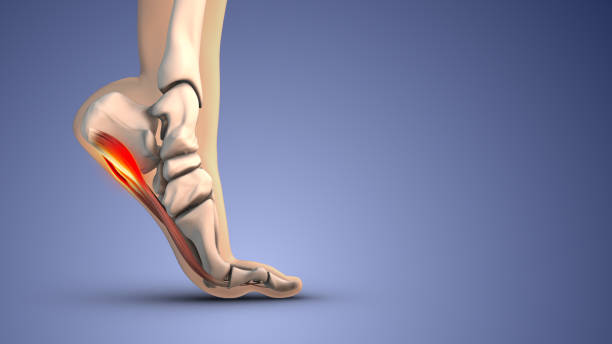
Daily heel soreness sometimes starts quietly before becoming strong enough to affect work, exercise, and simple movement around the house. Repeated strain beneath the foot can slowly damage soft tissue without producing obvious swelling right away. Skilled providers such as a podiatrist in Decatur AL often identify severe plantar fasciitis through movement changes and pressure responses that many patients overlook.
Heel Tenderness That Spreads Beyond One Small Area
Localized soreness near the heel commonly appears during early plantar fasciitis stages, but severe cases often create pain that spreads farther across the arch. Expanding discomfort may suggest ongoing tissue irritation instead of temporary inflammation caused by overuse. Sensitive areas sometimes become painful even during light touch or while wearing supportive shoes.
Focused examinations performed by a plantar fasciitis doctor usually involve checking multiple pressure points along the foot. Widening pain patterns occasionally indicate strain reaching surrounding tendons and connective tissue. Persistent tenderness throughout larger portions of the arch can also reduce stability during walking.
Foot Stiffness That Does Not Improve With Movement
Mild plantar fasciitis symptoms often ease after several minutes of walking, especially early in the day. Advanced irritation behaves differently because stiffness may continue long after movement begins. Ongoing tightness sometimes creates a pulling sensation extending from the heel toward the toes.
Restricted motion frequently changes how the foot absorbs impact across hard surfaces. Several patients visiting a Decatur podiatrist describe the foot feeling locked or inflexible after standing for long periods. Reduced mobility may also increase fatigue in nearby muscles supporting balance and posture.
Sudden Pain During Standing From Rest
Sharp pain while standing after sitting for extended periods often signals worsening strain beneath the heel. Inflamed fascia tissue tightens during rest, causing stronger pulling sensations once pressure returns to the foot. Severe cases may create stabbing discomfort strong enough to interrupt normal walking speed.
Repeated start-up pain commonly affects people working long desk shifts or driving for extended hours. Certain plantar fasciitis specialist evaluations focus heavily on timing because recurring pain after inactivity reveals how irritated the tissue remains. Frequent flare-ups throughout the day sometimes indicate deeper structural stress within the fascia.
Changes in Foot Shape Can Reveal Long Term Stress
Flattening arches occasionally develop when the plantar fascia weakens from repeated inflammation and overload. Altered foot structure may shift body weight unevenly, creating additional strain across the ankle and lower leg. Subtle shape changes often become easier to notice after comparing older footwear wear patterns.
Careful assessments by a podiatrist in Decatur AL may include checking arch stability while standing and walking. Collapsing support beneath the foot sometimes forces surrounding muscles to work harder during daily movement. Long-term instability may also increase stress on the knees and hips.
Pain That Returns Quickly After Activity Reduction
Temporary rest sometimes calms plantar fasciitis symptoms for short periods, but severe cases often return immediately after activity resumes. Quick flare-ups may suggest the fascia tissue never fully recovered between periods of strain. Repeated irritation can eventually limit walking distance and standing tolerance.
Several signs often appear together during recurring flare-up cycles:
a. heel pain returning within hours of activity
b. soreness increasing after light exercise
c. tenderness spreading into the arch
d. stiffness becoming stronger overnight
A plantar fasciitis doctor frequently reviews activity history to identify patterns linked to repeated inflammation. Rapid symptom return often helps separate chronic cases from temporary foot strain.
Difficulty Walking Barefoot Across Hard Surfaces
Hard flooring commonly exposes severe plantar fasciitis because the heel absorbs more direct pressure without cushioning. Walking barefoot across tile, concrete, or hardwood surfaces may produce intense discomfort in advanced cases. Certain individuals begin avoiding barefoot movement entirely because even short distances trigger pain.
Compensation habits sometimes develop naturally as people attempt to avoid pressure beneath the heel. Uneven movement patterns may slowly affect calf muscles, ankles, and posture alignment. Trusted plantar fasciitis specialist evaluations often include observing barefoot walking mechanics to detect hidden stress patterns.
Lingering Inflammation Can Affect Daily Balance
Chronic plantar fasciitis occasionally changes balance because people unconsciously shift weight away from painful areas. Uneven pressure distribution may create instability during stair climbing, quick turns, or extended standing. Reduced confidence during movement sometimes develops before patients realize balance problems are connected to heel pain.
Persistent inflammation beneath the foot can interfere with normal shock absorption during walking. Experienced providers such as a Decatur podiatrist often evaluate coordination and foot positioning while assessing severe plantar fasciitis symptoms. The Foot Clinic helps patients identify advanced warning signs early while creating treatment plans focused on restoring movement, reducing heel strain, and improving long-term foot stability.