The collagen supplement category has expanded so rapidly that nearly every brand on the shelf now claims some version of purity, quality, or premium sourcing. For consumers genuinely interested in supporting skin elasticity, joint comfort, hair and nail health, or general connective tissue wellness, the practical question is how to separate substance from packaging. Choosing a Clean Collagen Powder means understanding what the term should imply, which sourcing and processing standards genuinely matter, and which label claims hold up to scrutiny.
What “Clean” Should Mean in a Collagen Powder
The word clean has no formal regulatory definition in the supplement industry, which is why interpretation falls to the buyer. In practical terms, a clean collagen powder should meet several baseline standards. The protein source should be transparent, ideally specifying the species, the part of the animal used, and the country of origin. The processing should preserve the molecular structure that the body can actually absorb, typically through hydrolysis that produces low-molecular-weight peptides. The finished product should contain no synthetic fillers, artificial sweeteners, colorings, or preservatives, and ideally no added sugars or proprietary blends that obscure ingredient quantities.
Sourcing Considerations
Collagen powders are typically derived from one of four primary sources: bovine hide, bovine bone, marine fish skin or scales, and chicken cartilage. Each carries different amino acid profiles and different sourcing concerns. Bovine collagen is the most common and is often selected for skin, joint, and gut applications. The most reputable bovine sources come from grass-fed, pasture-raised cattle, ideally with certification from regions with strong animal welfare and traceability standards. Marine collagen, derived from wild-caught fish, tends to have smaller peptide molecules and is often preferred by consumers avoiding bovine products, though sustainability of the fishery is a legitimate consideration. Chicken-derived collagen, particularly type II, is associated with cartilage support.
Whatever the source, the key markers of clean sourcing are traceability, third-party verification, and clear labeling. Vague terms like “premium quality” or “responsibly sourced” without supporting documentation should prompt questions rather than confidence.
Processing and Bioavailability
Raw collagen molecules are too large for the human digestive system to absorb efficiently. Quality collagen powders are hydrolyzed, meaning the protein is broken down into smaller peptides through enzymatic processing. These hydrolyzed peptides are absorbed more readily and circulated to connective tissues throughout the body. Look for products labeled as hydrolyzed collagen peptides rather than gelatin, which is a different processing endpoint with different functional properties.
Beyond hydrolysis, the manufacturing environment matters. Reputable producers manufacture in facilities that meet Good Manufacturing Practice standards, conduct third-party testing for heavy metals, microbial contamination, and protein content, and publish certificates of analysis on request. Heavy metal contamination is a documented concern in protein supplements generally, and lot-by-lot testing is one of the more meaningful indicators that a brand takes purity seriously.
Reading the Label
Several practical label checks can quickly distinguish a clean product from a marketing-driven one. The ingredient list should be short. A single-ingredient hydrolyzed collagen powder needs no proprietary blend, no flavoring system, and no fillers. Protein content per serving should be clearly stated, and a meaningful daily dose typically falls in the range of ten to twenty grams depending on the application. Allergen disclosures, including potential cross-contamination with dairy, soy, or shellfish, should be transparent. Expiration dating, lot numbers, and manufacturer or distributor contact information should be present and verifiable.
Be cautious of products bundled with extensive vitamin and herbal additions that may obscure the actual collagen content or introduce ingredients without rigorous testing.
Matching the Product to the Goal
Different collagen types support different tissues. Type I and type III are predominant in skin, hair, nails, bones, and tendons. Type II is concentrated in cartilage. Multi-type formulations are common, but the ratios and total protein content should be specified rather than buried in proprietary language. Combining collagen with vitamin C, naturally or through diet, supports the body’s own collagen synthesis pathways, which is one reason many wellness practitioners recommend taking collagen alongside fruit or a vitamin C source.
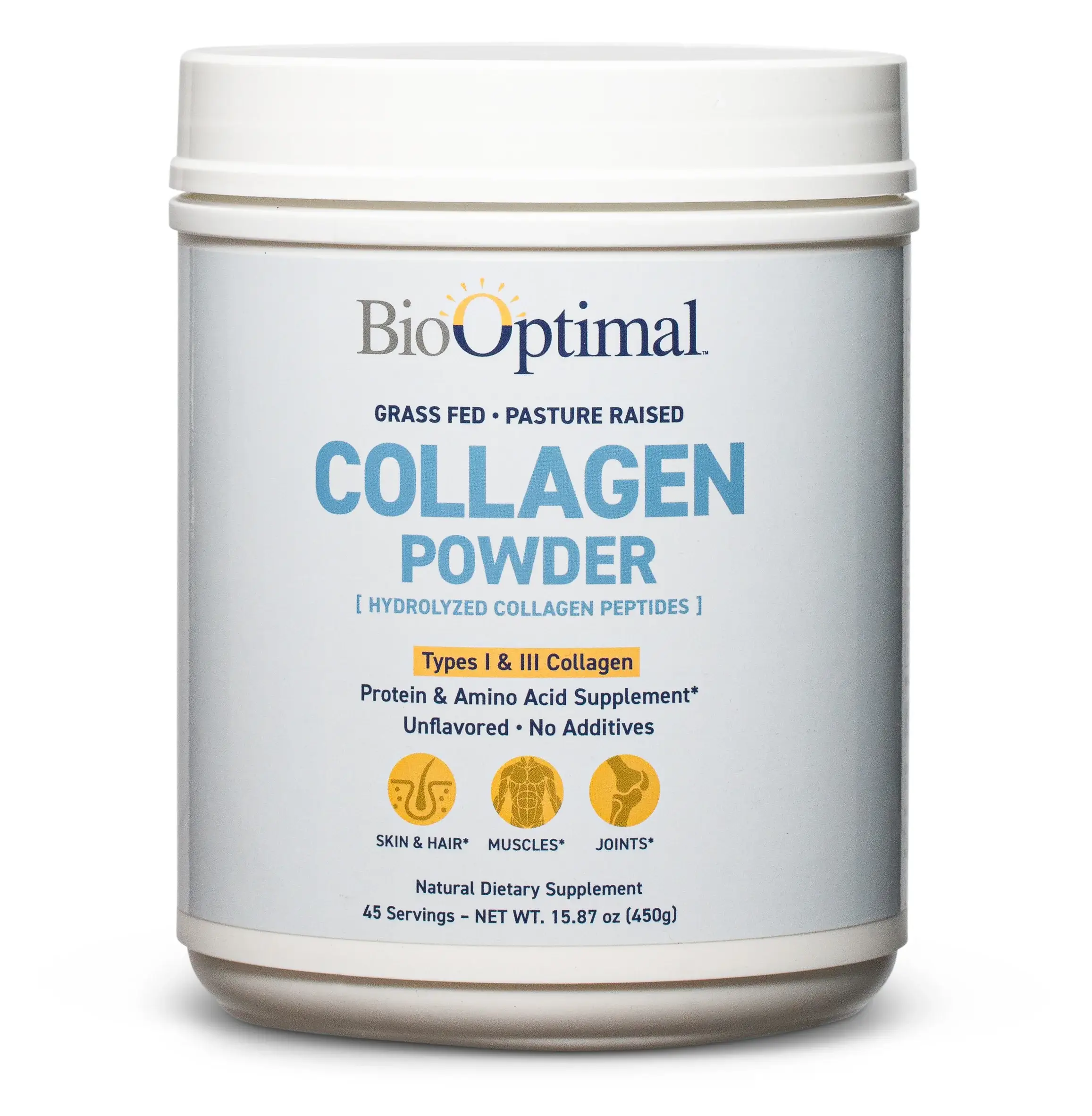
For health-conscious adults, wellness professionals advising clients, and older adults seeking foundational support for joint comfort, skin resilience, and connective tissue health, the value of a collagen powder is determined by what is in the container and how it got there, not by the marketing language on the front of the package. BioOptimal Supplements focuses on transparent sourcing, third-party testing, and clean ingredient standards designed for consumers who read labels carefully and expect their supplements to meet the same scrutiny they apply to the rest of their pantry.