
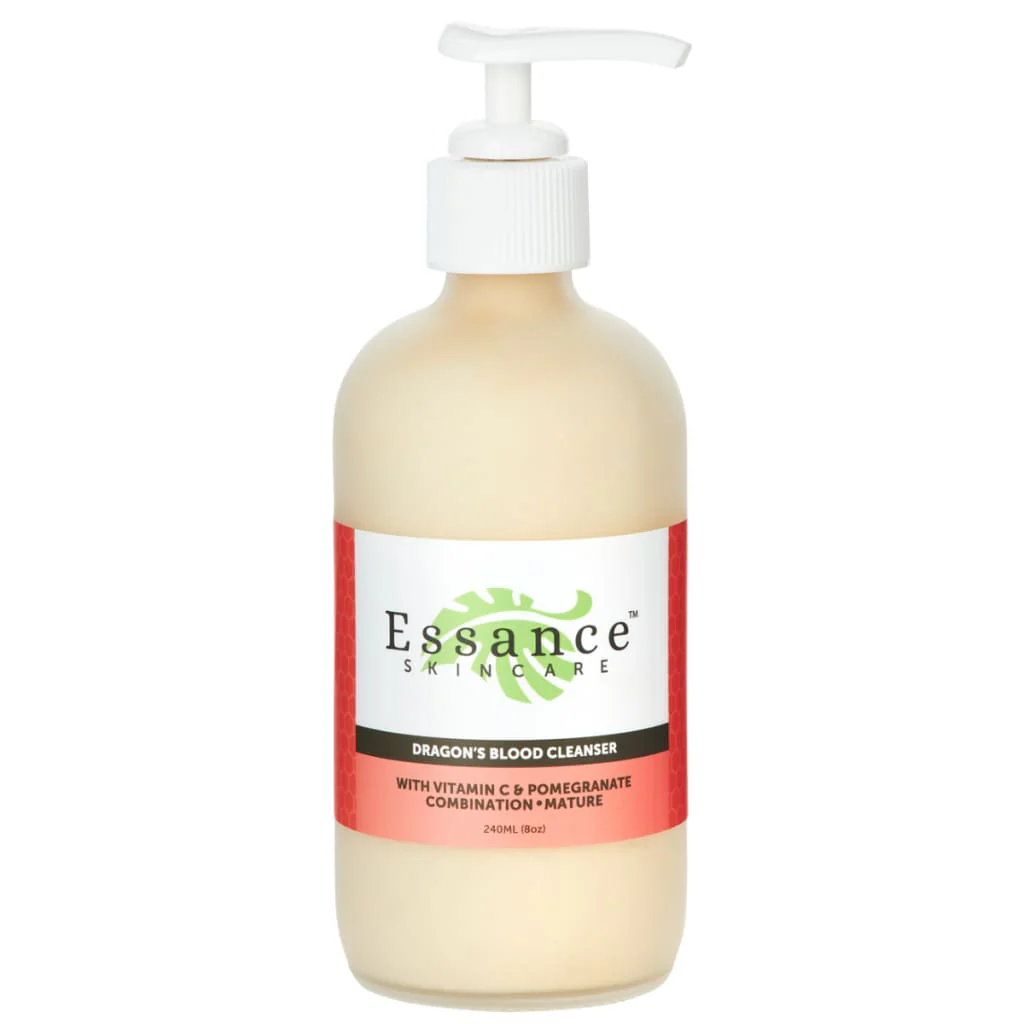
Few skincare ingredients carry a name as evocative, or as confusing, as dragon’s blood. The label suggests something exotic, possibly mythological, and the marketing surrounding it tends toward dramatic language about ancient traditions and visible transformation. The ingredient itself is more straightforward than the branding implies, and understanding what it actually is, where it comes from, and how it performs on skin makes the case for a more informed approach to selecting dragon blood skincare products. For consumers who read ingredient lists carefully and want to understand what they are putting on their skin, the story is worth knowing.
The Ingredient Itself
Dragon’s blood in skincare refers to a deep red sap drawn from several species of tropical trees, most notably Croton lechleri, native to the upper Amazon basin in Peru, Ecuador, and surrounding regions. Other species, including Daemonorops and Dracaena varieties, are also commercial sources, though Croton lechleri is the species most commonly referenced in skincare formulations. The sap is collected by making incisions in the trunk of mature trees, allowing the resin to bleed and harden, in a manner not unlike rubber tapping. Sustainably harvested, mature trees can be tapped repeatedly across decades.
The sap has been used for centuries in indigenous botanical traditions across South America, applied topically and consumed in small quantities for a range of purposes. Modern scientific interest in the ingredient has focused on its composition, which includes proanthocyanidins, taspine, and a class of polyphenolic compounds that account for much of its current cosmetic interest.
What the Ingredient Does on Skin
The composition of dragon’s blood sap, particularly its concentration of proanthocyanidins and other polyphenolic antioxidants, is the foundation of its cosmetic positioning. In skincare formulations, the ingredient is typically associated with a film-forming, conditioning effect on the skin’s surface, contributing to a feeling of smoothness, comfort, and visible refinement of texture. The polyphenolic content contributes antioxidant activity at the surface level, which in cosmetic terms supports the appearance of healthy, well-maintained skin.
It is worth noting that cosmetic claims and drug claims are different categories under regulatory frameworks in both the United States and Canada. Cosmetic ingredients, including dragon’s blood, are appropriately discussed in terms of how skin looks and feels, rather than in terms of healing, treatment, or alteration of underlying biology. Consumers reading marketing copy that crosses into the latter category have grounds to be skeptical regardless of the ingredient under discussion.
Where Dragon’s Blood Appears in Formulations
The ingredient is now incorporated into a range of product formats, including serums, masks, creams, mists, and targeted treatments. Concentration matters considerably. Products that list dragon’s blood prominently on the front of the package but place it near the end of the ingredient list contain trace amounts. Products that place the ingredient meaningfully high in the ingredient list, typically within the first third of the components, contain it at concentrations more likely to deliver the formulation’s intended cosmetic effect.
The ingredient also performs differently depending on the formulation around it. Serums and concentrated treatments typically deliver the ingredient at higher functional levels than rinse-off masks or lightly diluted mists. As with any active cosmetic ingredient, the formulation surrounding the named ingredient affects performance as much as the ingredient itself.
Sustainability and Sourcing
Because dragon’s blood is harvested from living trees in tropical regions, sustainability of sourcing is a legitimate question for ingredient-conscious consumers. Reputable suppliers source from operations that practice non-destructive harvesting, allow trees to recover between tappings, and work with regional partners under fair trade or equivalent frameworks. Brands that disclose their supply chain, identify the species used, and document sustainability practices offer meaningfully more transparency than those treating the ingredient as exotic backdrop.
Choosing a Product
For consumers interested in incorporating dragon’s blood skincare into a routine, several practical checks help separate substantive products from marketing-driven ones. The ingredient list should clearly identify the species and source. The position of the ingredient in the list should reflect a meaningful concentration. The surrounding formulation should make sense for the intended use, including appropriate vehicles, complementary ingredients, and stable preservation systems. Patch testing remains a sensible practice for any new ingredient introduction, particularly for skin types prone to sensitivity.
A skincare ingredient’s value is determined by what it actually contains, how it is sourced, and how it performs in formulation rather than by the language used to describe it. For consumers who appreciate transparent sourcing, careful formulation, and ingredient stories that hold up to scrutiny, Essance Skincare develops products built around responsibly sourced botanical ingredients and the kind of formulation discipline that makes ingredient lists worth reading rather than just seeing.