
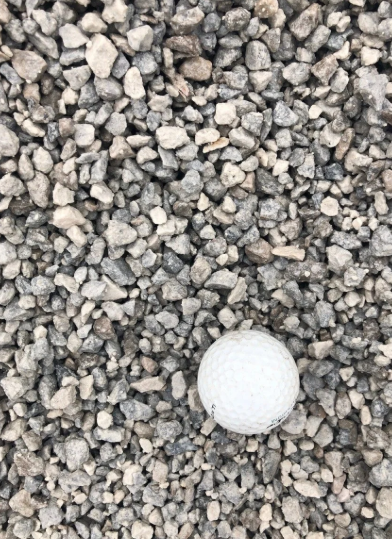
Delivery method can change how much work remains after a load of gravel reaches the property. Tailgate spreading places material along a drive or work area as the truck moves, while standard dumping leaves the full load in one pile for later spreading. Understanding the difference helps property owners and contractors plan equipment, labor, access, and cleanup before the truck arrives.
What Happens During Tailgate Spreading?
Tailgate spreading releases gravel gradually through the rear gate while the truck travels forward. Drivers control the flow as much as site conditions and truck setup allow, creating a loose layer along the intended path instead of one concentrated mound. This method can reduce the amount of material that loaders, tractors, or hand tools must move afterward.
Property owners searching for gravel delivery near me often consider tailgate spreading for long driveways, private roads, and broad access lanes. Results depend heavily on surface width, slope, overhead clearance, truck traction, and room to maintain a steady path.
Standard Dumping Gives Crews More Control After Delivery
Standard dumping places the aggregate in a designated pile, usually near the area where crews plan to work. A loader, skid steer, tractor, or wheelbarrow then moves the gravel from that staging point to its final location.
Contractors may prefer this approach when exact depth matters across several separate areas. Material can be measured and placed in controlled amounts instead of being distributed during one truck pass. Buyers comparing gravel for sale may also find standard dumping more practical when a project includes pads, trenches, landscaping sections, or repairs scattered around the property.
Access conditions often decide whether a large pile is realistic. Tight yards may leave little room for equipment to maneuver around dumped stone, while open construction sites can provide plenty of space for stockpiling and controlled placement.
Tailgate Spreading Can Cut Down on Machine Time
Long, straight surfaces are where tailgate spreading often provides the biggest advantage. Gravel arrives closer to its final position, so crews spend less time carrying material hundreds of feet from one pile.
Driveways that need a fresh wearing course can sometimes be covered quickly enough for grading equipment to follow behind and smooth the surface. Customers arranging gravel delivery in Huntsville AL should still expect final shaping and compaction, since tailgate spreading is a placement method rather than a finished grading service.
Uneven Ground Can Make Spreading Less Predictable
Slopes, deep ruts, soft shoulders, and sharp curves can affect how evenly the truck releases material. Changes in speed may cause thicker deposits in one section and thinner coverage in another.
Drivers also need firm ground beneath the truck because a loaded dump vehicle carries substantial weight. Saturated soil or weak driveway edges can limit where it can travel safely. People reviewing rock and dirt for sale should consider whether the site can support the delivery vehicle before choosing a spreading method.
Standard dumping may work better where the ground is too irregular for a steady spreading pass. Crews can place the pile on a stable section, then use smaller equipment to reach difficult areas without putting the delivery truck at risk.
Material Type Matters More Than It Might Seem
Clean gravel generally flows through a tailgate more easily than wet dirt or material containing large irregular pieces. Stone size, moisture, and grading can all affect how steadily aggregate leaves the truck bed.
Fill dirt behaves differently because damp soil may stick together instead of releasing in a controlled layer. Rock and dirt delivery plans should therefore match the unloading method to the product, not assume that gravel, topsoil, fill, and crushed stone can all be handled the same way.
Standard Dumping Works Well for Layered Construction
Driveway construction often requires separate base and surface materials. Larger crushed rock may form the lower layer, followed by smaller aggregate that creates a smoother driving surface.
Crews using standard dumping can keep those materials in separate piles and place them only after each previous layer has been graded and compacted. That control helps maintain planned thickness throughout the base. Projects involving drainage stone, fill dirt, and surface gravel may benefit from the same staging approach.
Tailgate spreading can still fit layered work when each load covers a clear section and the site provides enough room for the truck. Timing becomes important because the previous layer should be ready before the next material arrives.
The Best Delivery Method Depends on the Work Area
Straight driveways and access roads often make good candidates for tailgate spreading, especially when the goal is to distribute a large amount of gravel over a long distance. Jobs with tight corners, multiple work zones, precise elevations, or limited truck access may be easier to manage with standard dumping.
Serving the Huntsville area, North Alabama Rock & Dirt provides gravel, crushed stone, fill dirt, topsoil, and other aggregate products for residential and commercial site work. The company also offers rock and dirt delivery for driveway projects, grading, drainage improvements, landscaping, and construction jobs that require dependable material supply and flexible unloading options.