Indoor air quality plays a fundamental role in keeping your home comfortable, safe, and healthy for your family. Every time your heating or air conditioning turns on, air moves rapidly through hidden passages throughout your living spaces. Over time, these pathways gather a heavy accumulation of dust, pet hair, pollen, mold spores, and outdoor debris. Getting professional assistance from experts at space air duct north richland hills clears out these trapped pollutants, making sure the air circulating in every room stays clean and fresh. Taking good care of your ductwork is not just about keeping a clean house, it is an essential investment in your health and everyday energy efficiency.
When dust and dirt build up inside your ventilation pathways, your entire HVAC setup has to work much harder to push air through. A bogged down system draws unnecessary electricity, putting excess strain on sensitive motors and blowers. By keeping these channels clear, you create a far healthier indoor atmosphere while guarding your wallet against escalating energy costs.
Understanding What Hides Inside Your Ventilation Pathways
Most homeowners rarely pause to consider what gathers inside their walls and ceilings. Because air ducts are hidden from view, they easily turn into collection points for airborne dirt. Every time someone walks across a carpet, grooms a pet, or opens a door, tiny particles floating in the room get pulled into return registers.
Common Pollutants Trapped inside Home Channels
- Dust mites and shed skin particles
- Dog and cat hair mixed with fine dander
- Flower pollen and tree allergens carried in from outdoors
- Mold spores that flourish in dark humid environments
- Construction dust such as drywall residue and wood powder
- Pest droppings and microscopic airborne waste
When these materials pile up, they form a thick layer along the inner metal walls of your air pathways. Every single time the fan kicks on, a fraction of that trapped debris blows back out into your bedrooms, kitchen, and living room.
Health Benefits of Maintaining Clean Air Passages
Breathing contaminated air inside your home can cause a variety of annoying physical symptoms. Many people suffer from constant allergies, morning throat irritation, or itchy eyes without ever realizing that their heating and cooling system is the primary trigger.
Relieving Allergy and Asthma Triggers
For family members living with asthma or seasonal allergies, dirty indoor air makes daily life unpleasant. Pollen, pet dander, and dust mites are known triggers for severe sinus issues and breathing discomfort. Removing these irritants at the source creates a safe sanctuary inside your house where your respiratory system can rest.
Stopping Mold and Fungal Spores
Humidity levels naturally shift throughout the year, especially inside enclosed metal channels. When moisture pairs with organic dust inside warm air pipes, it forms an ideal breeding ground for mold and mildew. Fungal spores traveling through your vents can cause ongoing coughs, skin irritation, and unpleasant odors. Professional cleaning removes the organic dust that lets mold take root.
Removing Persistent Household Odors
Have you ever noticed a stale or musty smell whenever your air conditioner turns on? Pet odors, cooking oils, tobacco smoke, and cleaning chemicals settle onto duct walls over time. Simply spraying air fresheners only covers up these smells for a brief period. Thoroughly cleaning the interior surfaces eliminates odor causing residue for good.
How Clean Pathways Boost HVAC Efficiency and Lower Bills
Your heating and cooling equipment is one of the most expensive investments in your home. Protecting that investment requires routine attention and ensuring air flows without obstruction.
Reducing Internal Air Friction
When heavy dust accumulates inside air channels, it reduces the effective width of the pipes and creates surface friction. This restricts normal air movement, forcing your blower fan to work twice as hard to push air into your rooms. Removing this physical barrier lets air move freely, restoring efficient circulation with minimal effort.
Dropping Monthly Utility Expenses
An efficient system uses significantly less power to keep your home at a pleasant temperature. When your unit operates smoothly without fighting against clogged vents, your monthly power bills naturally drop. The savings on your utility bills over time help cover the investment of routine service visits.
Extending Equipment Operating Life
HVAC repairs can be very costly, and full system replacements cost thousands of dollars. When dust bypasses your filter and coats internal motors, coils, and blowers, it causes mechanical wear and overheating. Keeping the entire network free of debris prevents premature breakdowns, adding years of reliable performance to your heating and cooling unit.
Key Signs Your Home Needs Immediate Attention
Recognizing when to call for a thorough cleaning session can save you from bigger headaches down the road. While scheduling service every few years is good practice, certain warning signs mean you should take action right away.
- Puffs of Dust: Visible clouds of dust blow out from your supply vents whenever the fan turns on.
- Rapid Dust Accumulation: Tables and furniture show a thick layer of dust just hours after you finish cleaning.
- Uneven Airflow: Certain rooms receive strong airflow while other bedrooms stay stuffy and warm.
- Sudden Utility Price Hikes: Your monthly power bills jump unexpectedly without any major weather changes.
- Pest Activity: You hear scratching sounds inside walls or spot droppings near vent grilles.
- Recent Remodeling Projects: You recently completed home renovations involving drywall, tile cutting, or sanding.
What to Expect During Professional Service
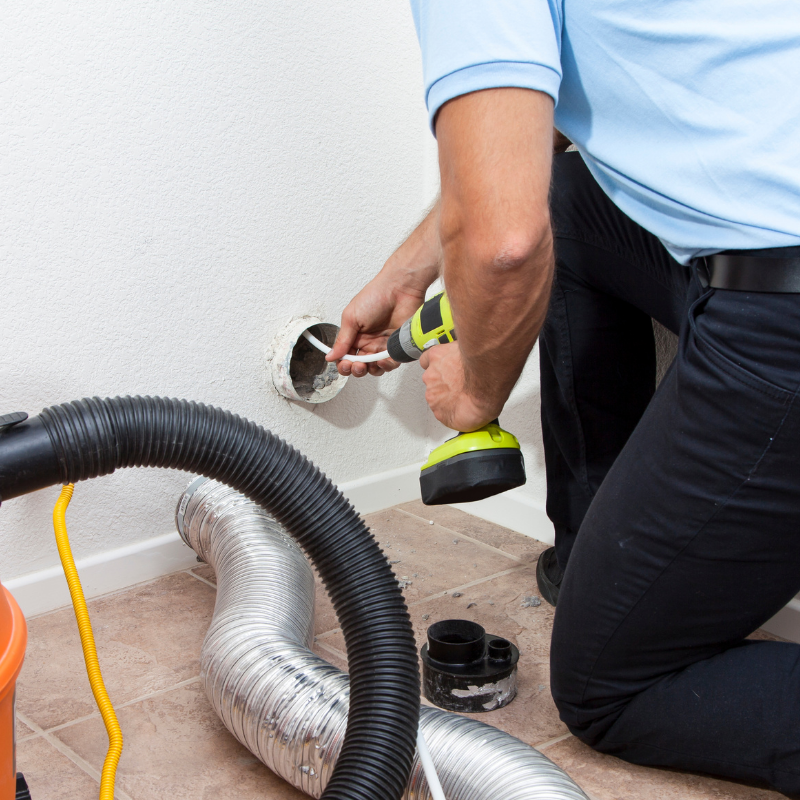
A thorough cleaning session involves much more than using a simple household vacuum near vent covers. Professional technicians use high pressure tools and powerful vacuum systems to extract contaminants safely without spreading them into your living spaces.
Initial Inspection and Site Setup
The process begins with a careful visual inspection of the air network. Technicians look for leaks, loose fittings, and heavy buildup. They seal off individual room registers to build strong vacuum suction across the entire system.
Agitation and Full Removal
Using specialized rotary brushes, air whips, and compressed air tools, technicians loosen stubborn dirt attached to metal surfaces. A heavy duty collection unit pulls all loosened dust out of your home and directly into a sealed containment tank.
Final Inspection and Air Testing
After the physical debris is extracted, technicians test airflow across your vents to verify proper balancing. They ensure your heating and cooling equipment is running smoothly, leaving your living space clean and refreshed.
Easy Habits for Better Indoor Air Quality
While professional care is necessary for deep cleaning, you can take simple daily actions to keep your air fresh between service visits:
- Replace your home air filters regularly every one to three months.
- Use high quality pleated filters sized correctly for your system.
- Vacuum rugs and sweep floors frequently to remove surface dust.
- Keep return vents unblocked by couches, curtains, or thick carpets.
- Schedule yearly maintenance checkups for your furnace and air conditioner.
Investing time into your home ventilation system ensures a safer, cleaner, and far more comfortable living space for everyone under your roof.